Overview
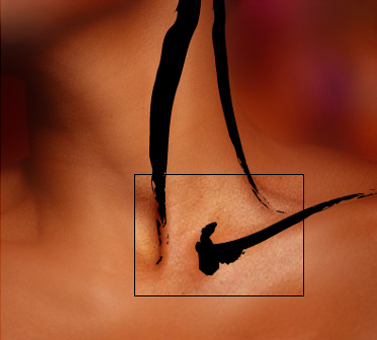
Hand, shoulder, and arm pain (in the absence of other disease) is the result of a collection of events that can go wrong in the large bundle of nerves traversing the space above the collarbone. These events range from direct injury to repetitive work activities. Abrupt stretching, occurring in auto accidents with attendant “whiplash,” and often accompanying sudden compression from seat belts, is common. Direct trauma, as in an industrial injury or in fractures of the collarbone, produces the same symptoms. However, more commonly (especially over the last several decades), this constellation of symptoms has been shown to be the result of repetitive activities. Controversy about the causes and diagnosis of hand, shoulder, and arm pain continues. This controversy is largely a sterile one, often arguing about the specific nomenclature of the diagnosis to the detriment of the individuals afflicted. Indeed, the term “thoracic-outlet syndrome” (TOS) is anatomically a poor choice for these injuries, as they often involve more than just the thoracic outlet and are often named “cervical brachial syndrome,” “costoclavicular syndrome,” “scalenus anticus syndrome,” “periforaminal soft-tissue syndrome,” “double- or triple-crush injuries,” as well as “brachial plexus neuritis”. TOS happens to be the more generally accepted term. Hand, shoulder, and arm pain, with varied and additional symptoms described later in the “Symptoms” section, is of nerve origin and has been described in the medical literature for well over one hundred years. Until the post-WWII era, the cause was thought to be due entirely to anatomical abnormalities or direct trauma to the nerves lying above the collarbone. This is intuitively more understandable and another cause for continued controversy, since currently, in the majority of cases, there is a lack of an obvious and dramatic compressive factor. Since WWII, however, there has been a slow recognition that repetitive work activities are increasingly responsible for the dramatic rise in the incidence of this disorder. TOS used to be considered extremely rare; however, in the current work environment, it is found to be increasingly common. Because of the lack of classical findings (blood-vessel disorders, progressive weakness, and electromyographic abnormality), it is usually termed “neurogenic TOS.”
|